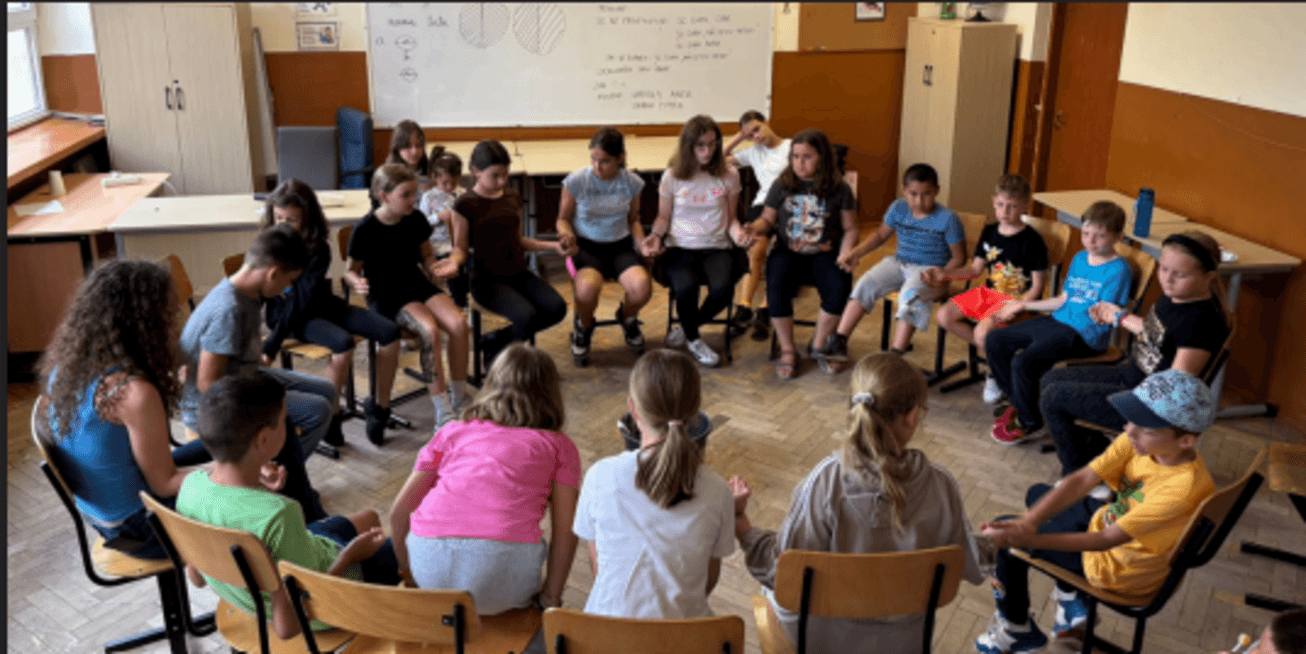
Image: Fingerprint [4 weeks]

Fingerprint [4 weeks]

Somaschi NGO·Baia Mare, România

Global Volunteer

Volunteer in NGOs, Schools, or Foundations in various Countries/Territories.

English

These are the locally spoken languages that you’ll have to know.

Education, Psychology

These are the backgrounds this opportunity is associated with.
Project
The project aims to aims to impact the SDG #4 by developing high-level cognitive and transferable skills to people at all ages through activities and/or workshops connected to arts production (e.g painting, sculpture, music, theatre, photography...)
This project contributes to,
Image: Quality Education - Target 4.4

Quality Education - Target 4.4

By 2030, substantially increase the number of youth and adults who have relevant skills, including technical and vocational skills, for employment, decent jobs and entrepreneurship

Role

Project Activities

Week 1
Creation of an implementation plan regarding how the project should proceed and determining the materials to be used.
Preparation of activities to be carried out in the following weeks and receiving feedback from partners and AIESEC.
Run the initial assessment required to measure the project's output/impact.
Introductory session with the beneficiaries, introduction of volunteers, and project goals.
Space onboarding with partner representatives to understand the current scenario, the beneficiaries, and to discuss the project's output.
Planning the involvement of volunteers in educational, recreational, and community activities, including summer camps, according to the established schedule; integrating artistic and creative workshops as learning and participation tools in these activities.
Getting to know the programs and the needs of the beneficiaries.
Week 2
Deliver interactive classes throughout the week to understand the beneficiaries' backgrounds through arts, as well as their professional and personal dreams for the future.
Conduct first-step artistic activities with beneficiaries so they have their initial contact with various artistic materials and media (e.g., drawing vs. painting, sculpture, photography, etc.).
Build and present the schedule of activities considering the beneficiaries—from practical learning to "hands-on" activities (e.g., peer-to-peer guidance, chain drawings, puzzles, etc.).
Organize a brainstorming session where team members share ideas, themes, and inspirations for the project.
Break down the final project into smaller activities and define responsibilities for each part of the entire creation.
Participate in the preparation and execution of summer camps: icebreaker games, team activities, outdoor games, and educational activities tailored to the participants' ages.
Conduct non-formal education games and activities with beneficiaries to develop communication, cooperation, self-confidence, and daily life skills.
Support the organization of community events: preparing materials and spaces, receiving participants, and facilitating the beneficiaries' participation in activities.
Week 3
Dynamic: Set up a short and fun challenge, such as creating an artwork within a limited time or using only specific materials.
Create a Personal Development Plan for each participant to track their weekly improvement through a coaching system.
Organize a workshop where participants can collaborate on a small artwork or experiment with different project-related media (e.g., painting, sculpture, digital design).
Work on an initial draft/project of the main design piece (e.g., first scenes of a play, first strokes of a mural, etc.) and then organize a feedback session with beneficiaries and mentors or partner representatives.
Allow time for individual or group reflection on personal artistic goals within the project. Participants can discuss what they hope to achieve or learn during the process.
Direct participation in activities and events for children, youth, and families: group games, sports, recreational activities, and educational workshops.
Continuation of summer camp activities according to the established schedule by facilitating games and workshops, accompanying groups, and supporting daily organization.
Execution of simple creative activities, such as drawing, collage, music, or role-playing, integrated into the themes of camps and community events and adapted to the beneficiaries' needs.
Week 4
Data collection from beneficiaries (surveys, interviews, focus groups, etc., may be used).
Data analysis to determine results/impact (the level of awareness among post-project activity beneficiaries).
Drafting the final project report and presenting it to AIESEC members and NGO/non-profit representatives.
Closing day with the beneficiaries.
Debrief on the impact of the project, how the beneficiaries developed, discuss what went well and what could be even better, and include this in the report.
Participation in the closing activities of summer camps or community events scheduled for this period, and supporting the collection and organization of materials used.
Evaluation of beneficiary participation and involvement in camps, games, educational activities, and community events, as well as preparing useful materials for continuing these activities.

Working hours

Monday to Friday

9:00 am - 5:00 pm

Process

The steps involved in being selected for this opportunity.
Estimated process time is not yet available.

Logistics

What you’ll be provided with during your stay

Benefits of becoming a Global Volunteer

Learn about the Sustainable Development Goals and participate in a social project designed for impact.
International Exposure - Experience new cultures and industries.
Develop your Leadership (our programs can help you develop the following leadership values: striving for excellence, demonstrating integrity, activating leadership, acting sustainably, enjoying participation and living diversity).
Receive AIESEC Support for Selection (assistance with your application to opportunities and decision making process).
Receive AIESEC Support after Selection (Visa support, help in finding and providing accommodation, assisting during first day of work).

FAQs